













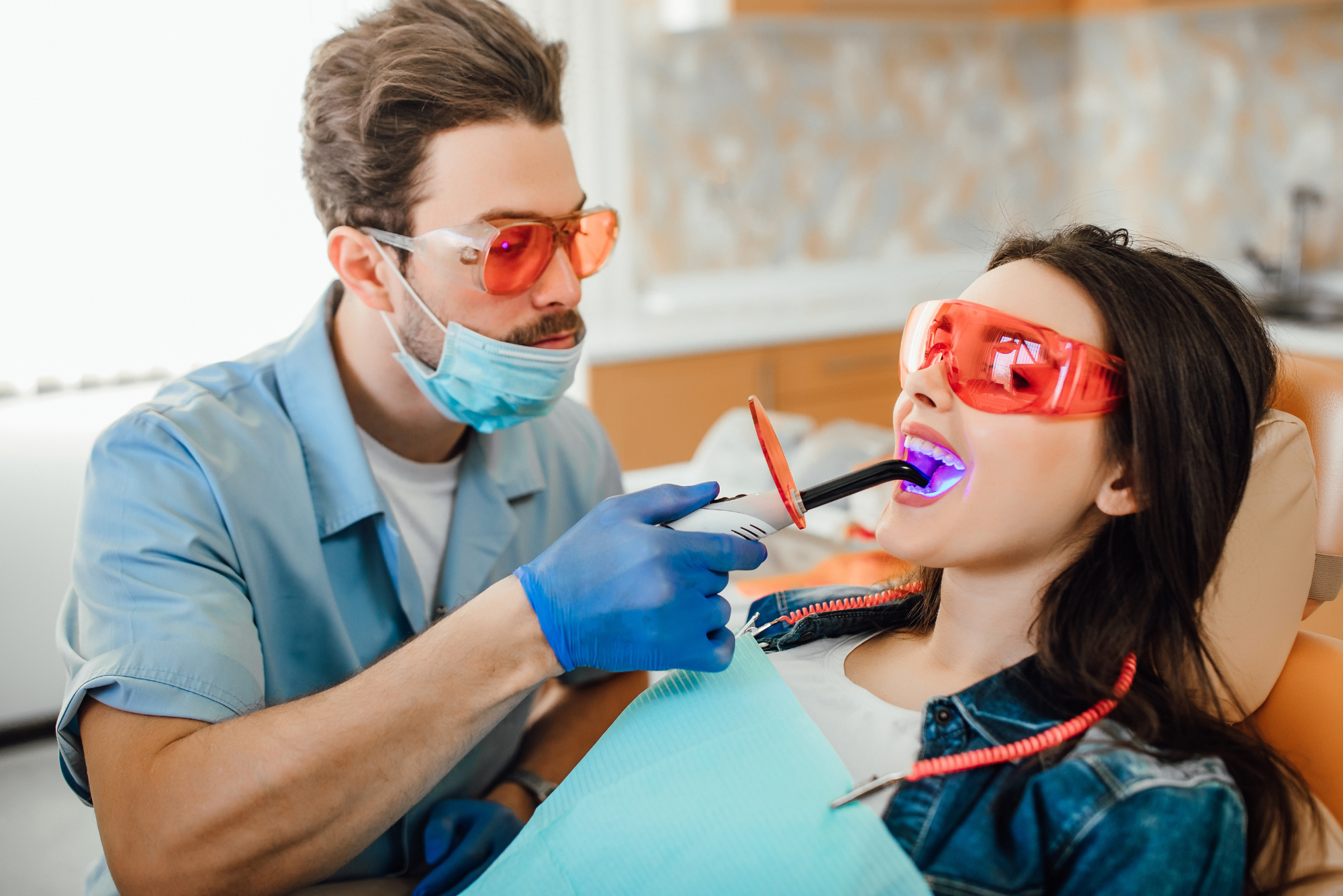
You have probably seen it before. Two friends book professional teeth whitening. One walks away thrilled with a noticeably brighter smile, while the other sees a more subtle change. Same appointment. Same treatment. Completely different outcome.
It can feel confusing, even frustrating. The truth is that teeth whitening results are not one size fits all. Your natural tooth shade, enamel thickness, type of staining, age, lifestyle habits, and even existing dental restorations all influence how your smile responds.
Understanding why whitening results vary from person to person helps set realistic expectations and ensures you choose the most suitable option for your individual situation.
What Determines Your Natural Tooth Shade?
Every person starts with a different baseline tooth colour. Some people naturally have lighter enamel and a softer dentine colour underneath. Others have a naturally deeper or more yellow tone.
Several biological attributes influence this:
- Enamel thickness and translucency
- Dentine colour beneath the enamel
- Genetic variation in tooth shade
- Tooth hydration levels
- Age related structural changes
Enamel is slightly translucent. The dentine underneath gives much of the tooth its underlying colour. If dentine is naturally darker, the whitening process may produce a more modest change compared to someone with lighter dentine.
This is why professional teeth whitening is about enhancing your natural tooth shade rather than creating a uniform result across every patient.
How Does the Type of Discolouration Influence Whitening Outcomes?
Not all stains are the same. Tooth discolouration causes are generally divided into extrinsic staining and intrinsic staining.
Extrinsic staining affects the outer enamel surface. This is often linked to lifestyle staining factors such as coffee, tea, red wine, and smoking related staining. These surface stains usually respond more predictably to whitening because they sit on or within the outer enamel layer.
Intrinsic staining occurs deeper within the tooth structure. This may be linked to:
- Age related discolouration
- Medication related staining
- Trauma related discolouration
- Fluorosis related enamel changes
- Internal discolouration in root canal treated teeth
Intrinsic stains are embedded within the dentine and may respond differently or unevenly.
Types of Tooth Discolouration and Whitening Response
| Type of Discolouration | Common Causes | Whitening Response Variability |
| Yellowing | Age, lifestyle staining | Often responds gradually |
| Grey tones | Trauma, medication | May respond unevenly |
| Brown stains | Tobacco, coffee | Surface stains may respond |
| White spots | Enamel variation | May appear more noticeable after whitening |
| Internal discolouration | Root canal treated teeth | May require alternative management |
Understanding whether stains are surface stains versus deep stains is an important part of a whitening suitability assessment.
Why Does Enamel Thickness Matter So Much?
Enamel permeability plays a key role in how whitening works. Professional whitening relies on an oxidation process in whitening gels. Hydrogen peroxide whitening and carbamide peroxide whitening break down stain molecules within the tooth.
Thicker enamel may:
- Mask dentine colour more effectively
- Slow the penetration of whitening gel
- Result in a more gradual change
Thinner enamel may:
- Reveal dentine colour more strongly
- Respond differently to whitening exposure
- Be associated with increased tooth sensitivity after whitening
Age is also relevant. Over time, enamel naturally thins and dentine can darken. This combination contributes to age related discolouration and influences how individual response to whitening occurs.
How Do Professional Whitening Systems Influence Results?
There are different approaches to professional teeth whitening, including in chair whitening treatment and take home whitening trays.
In chair whitening typically uses a higher concentration whitening gel and is applied under controlled conditions. Take home whitening trays involve custom fitted trays and a lower concentration gel used over a longer duration of exposure.
Treatment attributes that affect results include:
- Type of whitening system used
- Concentration of peroxide
- Duration of exposure
- Frequency of application
- Tray fit and compliance
If trays are not worn consistently, or if gel contact is uneven, uneven whitening results may occur. Similarly, a shorter treatment period may produce a more subtle shade change than a longer prescribed course.
What Role Do Existing Dental Restorations Play?
One of the most overlooked factors affecting whitening success is existing dental work.
Whitening does not change the colour of:
If you have restorations on your front teeth, they will remain their original shade. This can create a colour difference after whitening. In some cases, whitening before veneers or other restorations may be considered so that new restorations can be shade matched to your updated natural tooth colour.
This is why a dental whitening consultation includes a review of existing dental restorations and planning around overall smile harmony.
How Can Sensitivity and Suitability Affect Your Experience?
Tooth sensitivity after whitening varies. Some people experience temporary sensitivity. Others feel very little change.
Sensitivity tolerance can influence how long whitening gel is applied and whether concentration adjustments are needed. If a person has a history of enamel thinning, acid erosion and enamel thinning, or exposed dentine, whitening limitations may apply.
Factors assessed during a whitening consultation often include:
- Overall oral health
- Presence of restorations
- Existing tooth shade
- Cause of discolouration
- Sensitivity history
- Patient expectations
Suitability assessment ensures that whitening is appropriate and that realistic shade expectations are discussed clearly.
Which Key Factors Influence Whitening Outcomes?
The variability of whitening outcomes can be summarised clearly:
| Factor | How It Influences Results | Clinical Consideration |
| Enamel thickness | Thicker enamel may mask dentine colour | Shade response may appear gradual |
| Dentine colour | Darker dentine may limit brightness potential | Discuss realistic expectations |
| Type of staining | Surface stains respond differently than deep stains | May require alternative options |
| Age | Enamel thins over time | Results vary by life stage |
| Existing restorations | Fillings and crowns do not whiten | May require shade matching |
| Gel concentration | Higher concentrations act faster but may increase sensitivity | Suitability assessed individually |
| Compliance with trays | Inconsistent use affects uniformity | Clear instructions required |
No two smiles are identical. Natural tooth shade, baseline tooth colour, and biological variation mean outcomes will always differ between individuals.
How Does Science Explain the Oxidation Process in Whitening?
Whitening works through a controlled oxidation process. Peroxide based gels penetrate enamel permeability pathways and break down stain molecules into smaller, less visible compounds. This affects the optical properties of the tooth rather than removing enamel.
Australian dental literature explains that the response to peroxide based whitening is influenced by enamel structure, dentine composition, and the type of chromogens present within the tooth. This is why some teeth whiten faster while others change more gradually.
It is also recognised that whitening may temporarily increase tooth sensitivity in some patients, particularly when enamel is thinner or dentine is more exposed.
Where Can You Seek Professional Guidance for Personalised Whitening?
If you are considering professional teeth whitening and want clear, balanced information, Kariong Dental offers personalised whitening suitability assessment and comprehensive dental whitening consultation.
At Kariong Dental, every whitening plan begins with a detailed review of your oral health, natural tooth shade, existing dental restorations, and the cause of discolouration. The focus is always on informed decision making, realistic shade expectations, and careful assessment of sensitivity risk. Whether you are considering in chair whitening treatment or take home whitening trays, guidance is tailored to your individual response to whitening and long term maintenance goals.
Rather than chasing a uniform result, the aim is to enhance your natural tooth shade in a way that aligns with your oral health and overall smile harmony.
References
Australian Dental Association. Tooth Whitening Information.
https://www.ada.org.au/Dental-Health-Week/Resources/Tooth-Whitening
Therapeutic Goods Administration. Teeth Whitening Products Guidance.
https://www.tga.gov.au/products/medical-devices/ivds/whitening-products
Australian Dental Journal. Mechanisms of Tooth Whitening and Sensitivity.
https://onlinelibrary.wiley.com/journal/18347819
FAQs
Why do some teeth whiten more than others?
Different teeth have varying enamel thickness and dentine colour. Front teeth may respond differently to whitening compared to canines, which often have a naturally deeper shade.
Why did my teeth whiten unevenly?
Uneven whitening results can occur due to inconsistent tray fit, differences in enamel structure, or varying levels of intrinsic staining across teeth.
Does whitening work on grey teeth?
Grey tones caused by trauma or medication related staining may respond differently. A suitability assessment helps determine appropriate options.
Can whitening damage enamel?
Professional whitening does not remove enamel when used appropriately. It works through oxidation of stain molecules. Temporary sensitivity may occur in some individuals.
Will my fillings change colour after whitening?
No. Fillings, crowns, veneers, composite resin, and ceramic restorations do not whiten. Shade matching may be considered if cosmetic changes are planned.
How long do whitening results last?
Maintenance depends on lifestyle staining factors, oral hygiene habits, and ongoing exposure to staining foods and beverages. Results vary between individuals.
Disclaimer
All dental procedures involve potential risks and benefits. The information provided in this blog is general in nature and should not be taken as medical advice. We recommend that you seek guidance from a suitably qualified health professional before making decisions about your oral health. Where appropriate, you may also wish to consider obtaining a second opinion.
Any images or videos featured are shared with the informed consent of our patients and are intended for educational purposes only. They are not a guarantee of results, as every patient is unique. Treatment outcomes — including recovery, potential complications, and effectiveness — can vary from person to person.